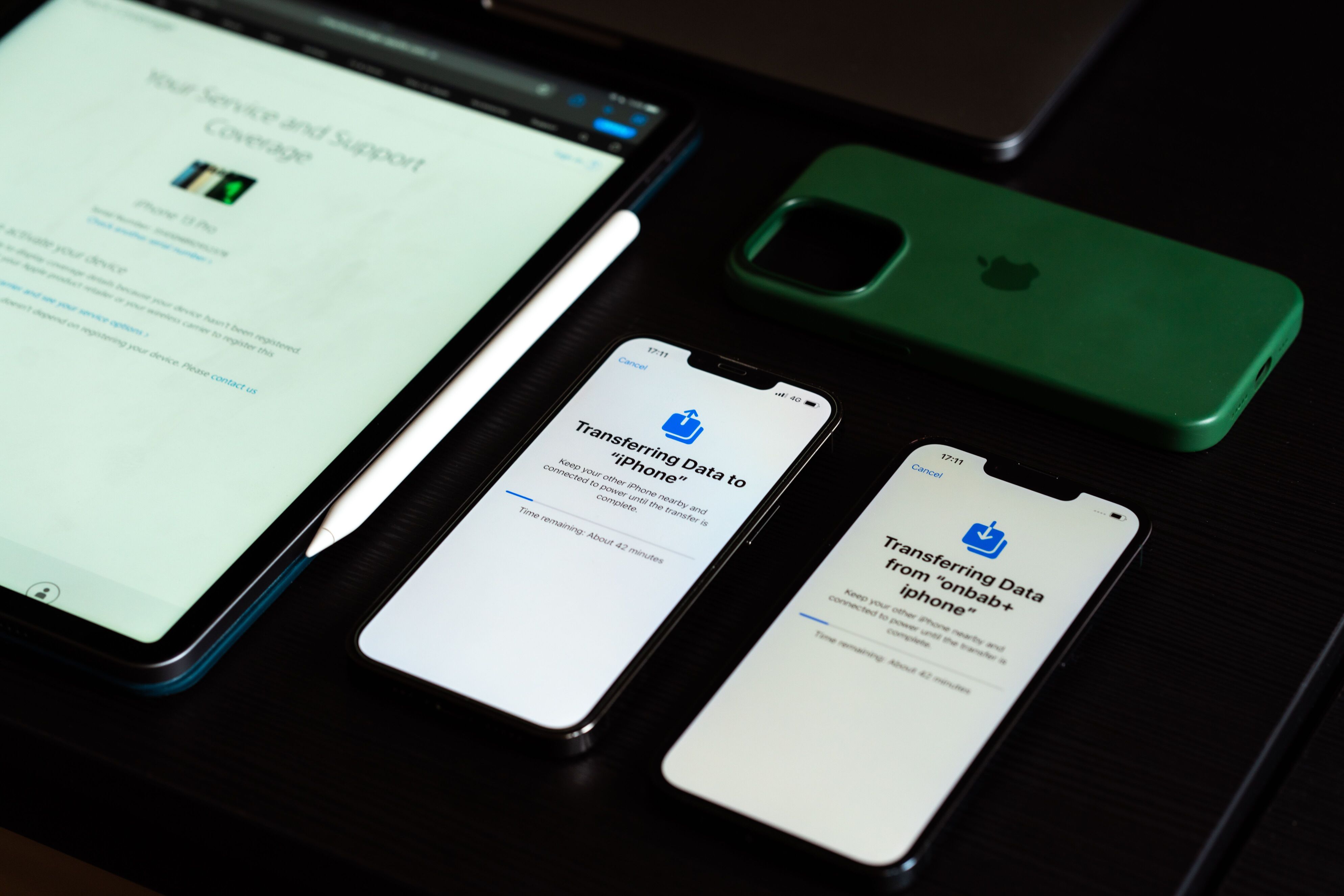
Deployment of the Mobile Device Management (MDM) solution is the most efficient way to secure, monitor, and manage corporate or personal devices. No matter whether your company has tens or thousands of smartphones, tablets, and laptops – proper deployment will definitely help to increase your level of security, simplify your IT management, and ensure compliance.
Nevertheless, just buying an MDM platform will not be enough for the smooth deployment process. Successful deployment requires detailed planning, testing, user communications, and maintenance.
Step 1: Identify Your Business Requirements
The first step before MDM deployment is the identification of your organization’s needs.
Answer the following questions:
- How many devices will be managed?
- Which operating systems will be supported?
- Is there a BYOD policy?
- What are compliance requirements?
- Which business applications should be deployed?
Identification of business requirements will minimize deployment delays.
Step 2: Select the Right MDM Solution
There are MDM platforms that provide different features and services.
When selecting an MDM platform, pay attention to the following aspects:
- Supported operating systems
- Security capabilities
- Automation
- Application management
- Scalability
- Integration with Microsoft 365, Google Workspace or Azure AD
- Reporting and analytics
The correct selection will give you additional flexibility in the future.
Setting Up MDM
An MDM setup requires certain actions to be done.
- Set Up MDM Server
Create an administrator account and set up:
- Security settings
- User roles
- Authentication
- Device enrollment options
- Connect Identity Providers
Integrate with services like:
- Microsoft Entra ID
- Active Directory
- Google Workspace
It allows to perform automatic user synchronization.
- Set Device Policies
Set up policies for:
- Password requirements
- Screen lock
- Data encryption
- Camera permissions
- Bluetooth
- Wi-Fi
- VPN
- Email settings
Compliance Rules:
- OS minimum version
- Data encryption required
- Antivirus installed
- Jailbreak/root detection
Non-compliant devices will automatically disconnect from company resources.
Enrollment of Devices
Options of enrollment include:
- Automatic Enrollment
Best suited for company-owned devices.
Examples include:
- Apple Automated Device Enrollment
- Android Zero-touch Enrollment
- Windows Autopilot
- Manual Enrollment
Good option for small businesses.
End-users install MDM app and follow enrollment guide.
- BYOD Enrollment
Personal devices should be managed separately, while preserving employees’ privacy.
Pilot Test the Solution Before Full Rollout
Avoid deploying your MDM tool right away for all the company’s needs.
Instead:
- Identify a pilot group
- Test different devices
- Ensure the security policies work
- Test app deployment functionality
- Email configurations
- Employee feedback
The test period allows you to find potential issues before a full-scale rollout.
Implementation Plan of MDM
Once you’re done with testing, move on to rolling out the solution.
Typically, the phased rollout plan consists of the following phases:
1. IT department
2. Managers
3. Different departments
4. Whole company
This way, you minimize disruption to the business processes.
Employee Training
No matter how good the MDM tool is, it is useless without the employees’ participation.
Give them:
- Guides to the enrollment process
- Tutorials
- FAQ list
- Contacts of the IT department
Let the users know why device management will make things easier for them.
Monitor the Deployment
The deployment doesn’t end with enrollment.
You have to monitor:
- Reports on compliance
- Failed enrollments
- Device inventories
- Applications
- Security incidents
- Updates of OS
Regular monitoring will keep the device ecosystem healthy.
What Difficulties Will You Have to Overcome While Deploying Your MDM Tool?
Usually, organizations experience several difficulties while implementing their MDM solutions.
- Resistance from the Side of Users
They could feel that it violates their privacy, especially when there are BYOD programs.
Solution: Tell the users clearly which information IT has access to.
- Compatibility of Devices
Sometimes some older devices are not compatible with advanced security measures.
Solution: Identify the lowest versions of OS that would be supported.
- Network Limits
It could be a problem with limited network capabilities.
Solution: Schedule the large-scale deployments during times when the network capacity is lower.
- Policy Misconfiguration
When you set strict limitations on devices, the productivity level of your employees could suffer.
Solution: Test all the policies on a pilot group before rollouts.
- Application Deployment Failures
Inconsistency in app licensing or incompatibility with MDM.
Solution: Verify the application’s license, version, and OS compatibility.
- User Enrollment Problems
It happens because of wrong credentials or wrong enrollment instructions.
Solution: Provide enrollment guides to your users.